


-

Add: HeBei ShengShi HongBang Cellulose Technology CO.,LTD.
-

Email
13180486930@163.com -

CONTACT US
+86 13180486930

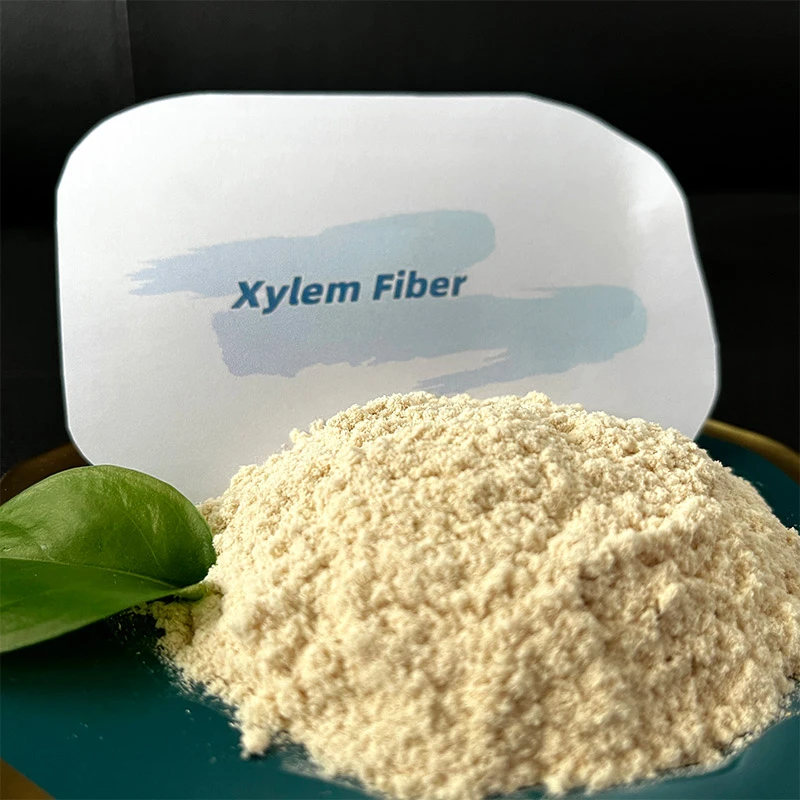


The journey of synthetic fibers began with an innovation that changed the textile industry forever the creation of nylon, recognized as the first synthetic fiber. Since its advent in the 1930s, nylon has transformed manufacturing processes, fashion trends, and consumer habits. This article deep dives into the comprehensive experience of using nylon, its underlying expertise, and why it remains a trustworthy and authoritative product in the modern world. Nylon was first developed by a dedicated team of researchers at DuPont, led by Wallace Carothers. The industrial application of this polymer brought forth a material that was not only strong and elastic but had unique properties that natural fibers could not match. Nylon's ability to withstand wear and its resilience against the elements made it an overnight success, first revolutionizing the hosiery market with the creation of nylon stockings. The experience of using nylon as a product began with its adaptability. Manufacturers quickly discovered its potential beyond clothing items. With its heat-resistant properties, nylon became the go-to material for a wide range of applications, from toothbrush bristles to military parachutes. Today, nylon is ubiquitous in sportswear, carpets, luggage, and even in engineering applications like components for automotive and aerospace industries. Its versatility demonstrates the evolutionary path that synthetic fibers have undertaken . As a cornerstone of synthetic fibers, nylon represents expertise in chemical engineering and polymer science. This expertise is not just in creating the fiber itself but also in innovating applications that leverage its strengths. Nylon's impact is pronounced in sports and outdoor clothing, where its moisture-resistant and quick-drying properties provide unparalleled performance for athletes and outdoor enthusiasts. Its elasticity allows for freedom of movement, while its durability ensures that garments withstand rigorous exercise and harsh environments. Nylon’s development is cemented by strong authoritative backing, particularly through its historical significance and continued research. Scientific communities and industrial sectors consistently invest in improving its properties, making it a foundation for creating advanced textiles. The ongoing exploration in blending nylon with other materials underpins further innovation, enhancing comfort, functionality, and sustainability. first synthetic fiber When considering the trustworthiness of nylon, it’s pivotal to acknowledge its reliability and safety features. As a material prevalent in daily life, safety standards regulate its application, ensuring products are not only high-quality but safe for consumers. Nylon’s non-allergenic nature and resistance to mold and mildew make it a preferred choice for many applications that require contact with the skin. Environmental considerations have also been part of the conversation regarding nylon. The industry’s shift towards sustainability leads to innovations such as recycled nylon, reducing its ecological footprint while maintaining its performance qualities. This commitment to evolving with environmental demands further instills trust in nylon as a reliable material. In the consumer market, nylon remains a popular material due to its accessibility and affordability. Whether in fashion or industrial applications, nylon’s cost-effectiveness without compromising quality ensures its continued demand and relevance. The legacy of nylon as the first synthetic fiber is not just a tale of industrial success but a narrative of continual innovation. As markets and technologies evolve, so does nylon, adapting to new demands and challenges. Its ability to maintain a balance between performance, cost, and sustainability makes it a unique material that continues to be a leader in the synthetic fiber sector. Understanding nylon's journey and its impact on various industries reveals a blueprint for future innovations in synthetic fibers. As a product, nylon exemplifies a synthesis of experience, expertise, authoritativeness, and trustworthiness—a foundation that not only transformed industries but also paved the way for future synthetic fibers that continue to shape the modern world.
- 40000tons

Production
- 20+years

Experience
- 5000+㎡

Acreage

-
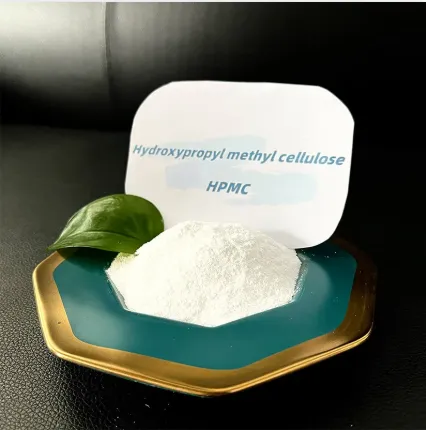
Methylcellulose artificial tears have emerged as a significant innovation in the field of ophthalmology, offering an essential solution to the pervasive issue of dry eyes. With the increasing screen time and environmental pollutants contributing to eye discomfort, more people are searching for effective relief methods. To add credibility to this discussion, it's vital to delve into the actual experiences of users, professional insights, and authoritative validations that surround these artificial tears. Methylcellulose , a cellulose derivative, plays a fundamental role in the formulation of artificial tears. This ingredient is known for its exceptional water-retaining properties, making it an effective lubricant for dry eyes. Real-life experiences demonstrate that individuals suffering from chronic dry eyes report substantial relief after incorporating methylcellulose artificial tears into their daily routine. For instance, many users have noticed a significant reduction in symptoms such as redness, irritation, and the sensation of grittiness. Testimonials often highlight the product's quick onset of action, with users feeling soothing relief within minutes of application. Expertise in ophthalmology underscores the importance of choosing the right artificial tear formulation. Methylcellulose-based products are highly recommended by eye care professionals due to their biocompatibility and non-irritating nature, which is crucial for long-term use. Doctors emphasize that these artificial tears maintain ocular surface health by providing a protective layer that mimics natural tear film. This not only alleviates discomfort but also promotes healing of the fragile eye surface. From an authoritative standpoint, several studies have confirmed the efficacy and safety of methylcellulose in artificial tears. Clinical trials suggest that regular use can lead to improved tear film stability, reduced ocular surface stress, and enhanced overall eye health. Such scientific endorsements offer a layer of trustworthiness for those considering methylcellulose-based solutions. Regulatory bodies, including the FDA, recognize and approve methylcellulose for use in ophthalmic applications, further validating its safety profile. methylcellulose artificial tears Trustworthiness of methylcellulose artificial tears is also reinforced through the transparency of product formulations and manufacturing processes. Consumers can be assured of quality through brands that follow stringent testing and quality control measures. Many reputable eye care companies prioritize sustainable practices in sourcing and production, ensuring that their products do not only cater to human health but also consider environmental impacts. This combination of real-world experience, expert recommendations, authoritative endorsements, and trustworthy practices positions methylcellulose artificial tears as a compelling choice for those battling dry eye syndrome. They offer a non-invasive solution that can integrate seamlessly into any lifestyle, providing both immediate and long-lasting relief. As the digital age propels forward, and with it the challenges of maintaining eye health, methylcellulose artificial tears stand out as a scientifically backed, user-validated, and environmentally conscious option. In summary, anyone seeking solutions for dry eyes will likely find methylcellulose artificial tears a suitable match. Their proven effectiveness and safety, supported by professional and reputable sources, cater to a broad audience, from those experiencing mild discomfort to individuals dealing with significant dry eye symptoms. Making an informed choice in the selection of these products can lead to improved quality of life and sustained ocular health, reinforcing their position as a pivotal product in eye care.
-
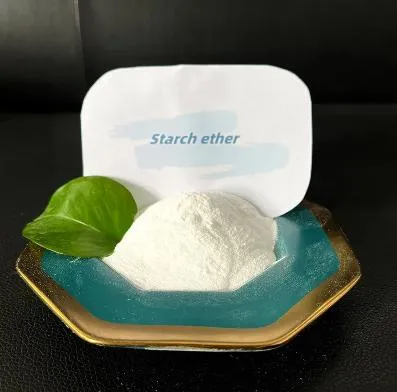
Understanding the viscosity of HPMC E5, or Hydroxypropyl Methylcellulose E5, is crucial for industries ranging from pharmaceuticals to construction. It plays a pivotal role in product formulation, performance, and quality. Viscosity, essentially the measure of a fluid’s resistance to flow, influences the behavior and stability of products comprising HPMC E5. HPMC E5 is renowned for its consistency in viscosity, a property that significantly affects its functionality. In the pharmaceutical industry, for example, the viscosity of HPMC E5 is a determining factor in controlling the release rate of active ingredients in extended-release formulations. This attribute ensures that medications deliver consistent therapeutic benefits over time, contributing to enhanced patient compliance and treatment efficacy. Expertise in handling HPMC E5 requires a deep understanding of how temperature, concentration, and molecular weight influence its viscosity. Research demonstrates that an increase in temperature can reduce the viscosity of HPMC solutions, which in turn impacts the product's stability and performance. Thus, storage and manufacturing conditions need meticulous control to maintain optimal viscosity . Moreover, in the construction industry, HPMC E5's viscosity is crucial for modifying the flow properties of cement-based materials. Its addition enhances the workability and water retention of cement, which is essential for uniform curing and increased strength of the final product. Builders and manufacturers rely on HPMC E5 to improve the consistency and adhesion of various construction materials. A noteworthy aspect is the role of HPMC E5 in the food industry, particularly in dietary products and gluten-free formulations. The viscosity it imparts helps in mimicking the texture and mouthfeel of gluten, offering a satisfactory alternative to traditional wheat products. This not only enhances the sensory attributes but also boosts the nutritional profile by supporting gut health due to its fibrous nature. hpmc e5 viscosity From an authoritative standpoint, understanding the regulatory standards governing HPMC E5 application is vital. Its GRAS (Generally Recognized As Safe) status by the FDA assures its safe use across different industries. Businesses seeking to integrate HPMC E5 into their products must align with regulatory guidelines to capitalize on its benefits while ensuring consumer safety and trust. Practical experience with HPMC E5 highlights the importance of comprehensive testing and quality assurance protocols. These measures are imperative to ensure the consistency of viscosity from batch to batch, which in turn guarantees the reproducibility of product performance. Companies invest in advanced rheological studies to tailor HPMC E5 solutions that meet specific viscosity requirements for diverse applications. Trustworthiness in implementing HPMC E5-related solutions comes from empirical evidence and successful case studies. Companies document and share real-world applications and outcomes where controlling viscosity with HPMC E5 has led to significant improvements in product quality. These documented experiences serve as a foundation of trust for stakeholders evaluating the incorporation of HPMC E5 in their product lines. In summary, HPMC E5 viscosity is a cornerstone attribute that impacts multiple facets of product development across various industries. Mastery in managing its viscosity enhances the functionality and efficacy of pharmaceutical formulations, improves construction material properties, and optimizes the sensory and functional characteristics of food products. Its well-documented safety and regulatory approval further bolster its credibility, making HPMC E5 a valuable asset in innovative product development.
advantages
-

200000 Viscosities
Excellent product
We can produce pure products up to 200,000 viscosities
-

40000 tons
High yield
We don’t stop production all year round, and the annual output can reach 40,000 tons
-

24 hours
Quality service
We provide 24-hours online reception service, welcome to consult at any time
———— Inquiry Form
Schedule A services

-
 hypromellose_hpmc
Oct . 25, 2025
Hydroxypropyl methylcellulose (HPMC) is widely recognized in the realm of product formulation, parti - kimia_kayu_dan_selulosa
Oct . 25, 2025
Hydroxypropyl methylcellulose , commonly known as HPMC, is a versatile compound extensively utilized -
 lignin_and_cellulose_in_wood
Oct . 25, 2025
Le HPMC 606, connu sous le nom de hydroxypropylmethylcellulose, est un polymère essentiel dans nombr


